
FREDRIK ZANICHELLI
Visual artist. Born 1995 in Malmö, Sweden. Lives and works in Malmö.
In the year 423, Saint Symeon climbs atop a pillar just outside Aleppo, in present-day Syria.
There, on his single square meter of stone, he lives for thirty-six years.
In 1935, the architect Sigurd Lewerentz designs the meditation grove Almhöjden at Skogskyrkogården in Stockholm. Its form is inspired by the Romantic painter Caspar David Friedrich’s Hill and Ploughed Field near Dresden from 1825.
Across the centuries runs a desire to reach beyond the material through architectural constructions – toward spaces that endure. Today, Friedrich’s painting is covered in cracks, and perhaps it has been so for a long time. Perhaps Lewerentz saw that the, already more than a hundred years old painting, was beginning to crack and faced the threat of disintegration, Perhaps it was those very fissures that prompted the motif to take shape as a physical landscape.
Saint Symeon, in turn, widened the gap between himself and the world as he gradually raised his pillar higher and higher. The physical separation and the spiritual approach merged – until they could no longer be told apart. Below, pilgrims gathered, fascinated by a life of ascetic devotion. After Symeon’s death, the world’s largest church of its time – The Church of Saint Symeon Stylites – was built around his pillar.
Parts of it still stand today.
Text by Fredrik Zanichelli
The significance of place in shaping our experience of the world is a constant presence in Fredrik Zanichelli’s artistic practice. With a poetic gaze, he examines both the concrete spaces that define our reality and the abstract spatialities we ourselves create and transform. The concept of architecture shifts and becomes something more than a physical construction. Instead, it emerges as a materialization of dreams, of longing for the past, and of visions of utopia — notions that extend across generations and continue to iterate.
The everyday is often mystified, or the complexity of the simple is revealed, as the works take shape as spatial fragments — fragments that offer clues to a narrative rather than the full story. The works become a scenography in which drama unfolds through contrasts between materials, through light and shadow, through movement and change.
Installation and sculpture are Zanichelli’s primary media, yet his practice also encompasses drawing, video, photography, and text. With a background in architecture, he maintains a strong attraction to materiality, often engaging with classical building materials such as concrete, brick, and wood. The inherent agency of each material is carefully explored. Through its interaction with human presence, traces of memory, history, and poetry emerge — traces that are repeated or transformed depending on who participates in the narrative.
EXHIBITIONS
Replik (Reply), solo exhibition 2025.11.08 – 2025-12-07.
AVAILABLE ARTWORKS
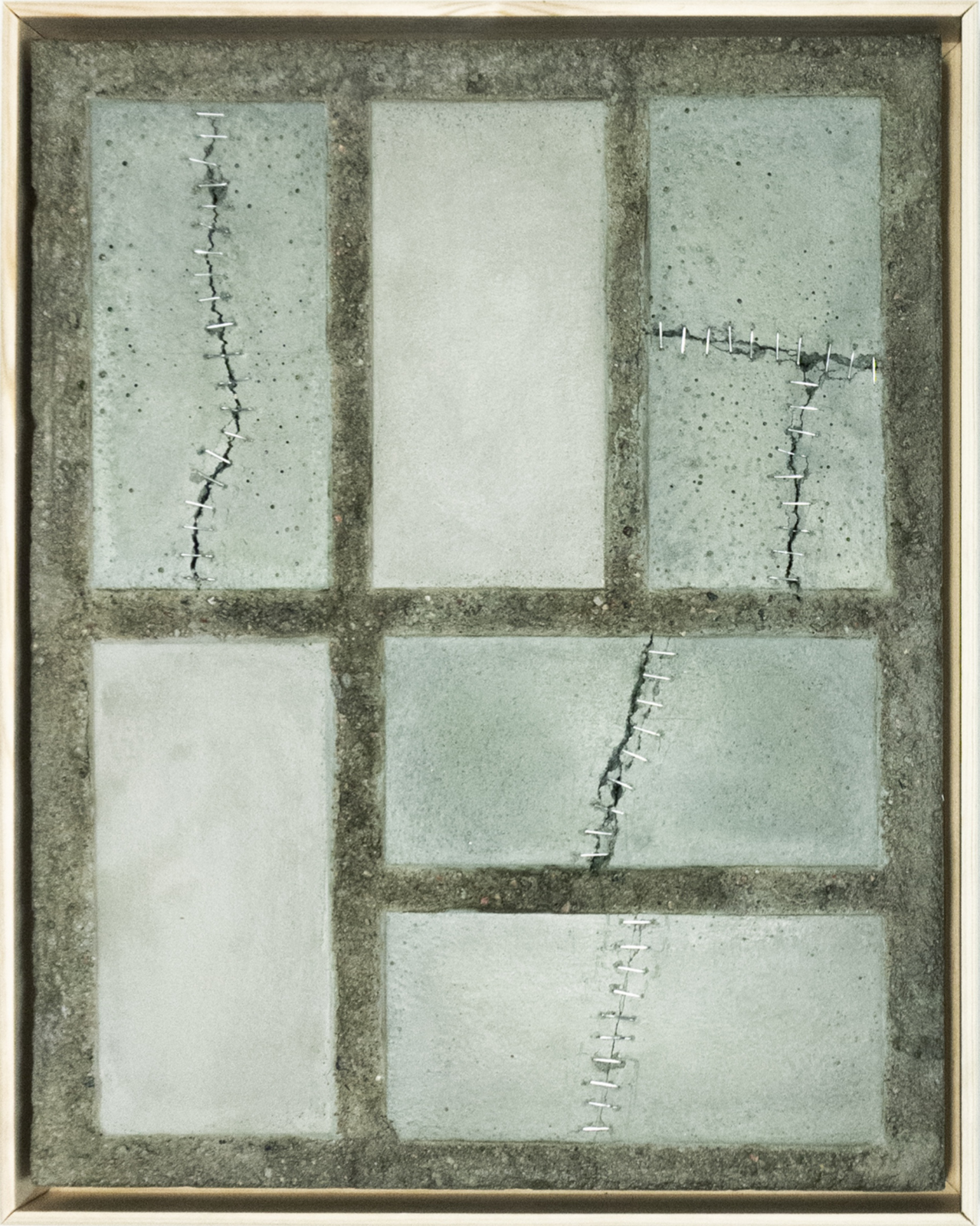
Det ligger i kulturens natur att spricka Nr. 3, 2025
Chlorophyll, concrete, staples
37 x 47 x 4 cm
21 000 SEK
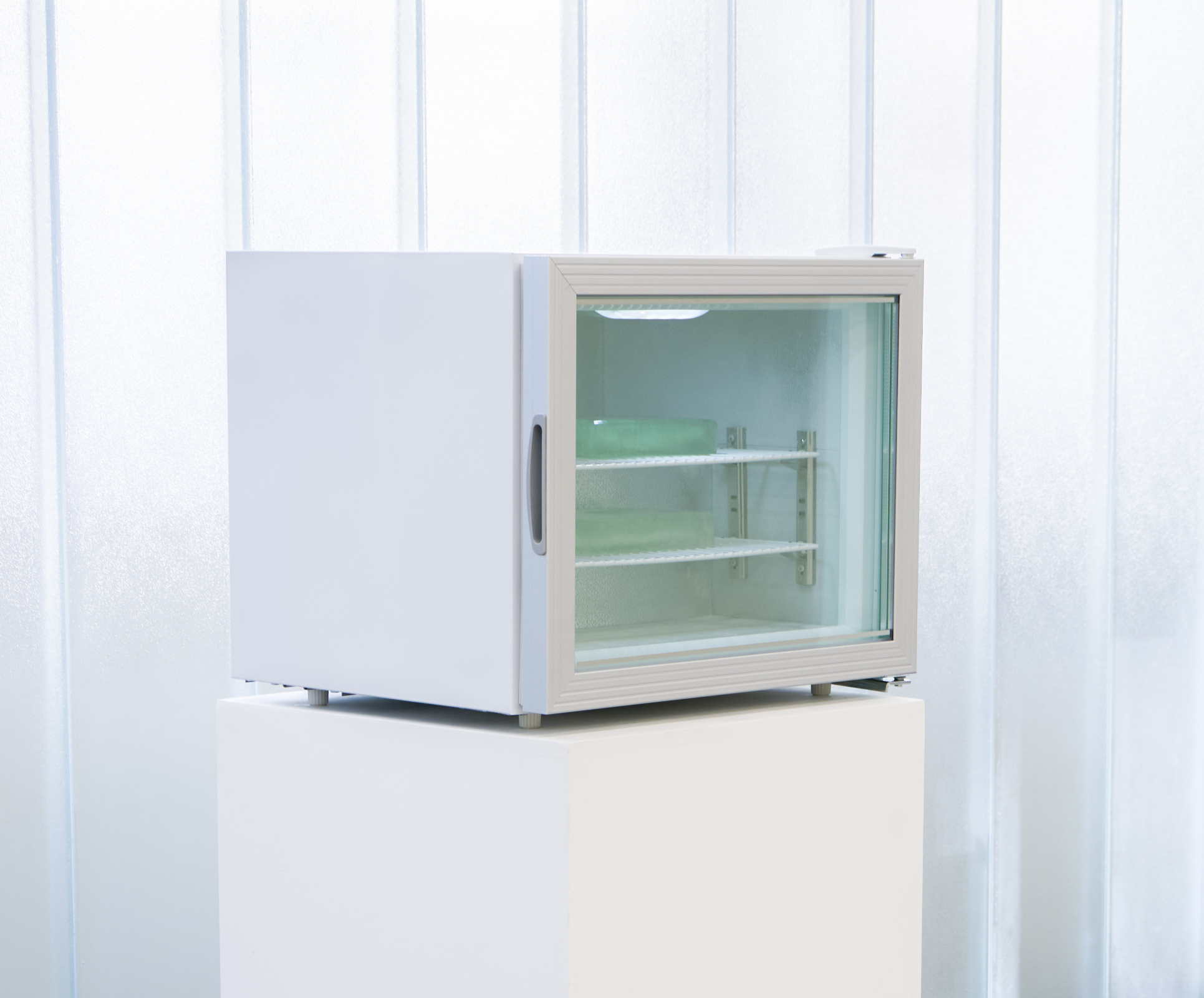
Se det som en symbolisk seger, 2025
Freezer, bricks of chlorophyll, water
50 x 57 x 60 cm
36 000 SEK
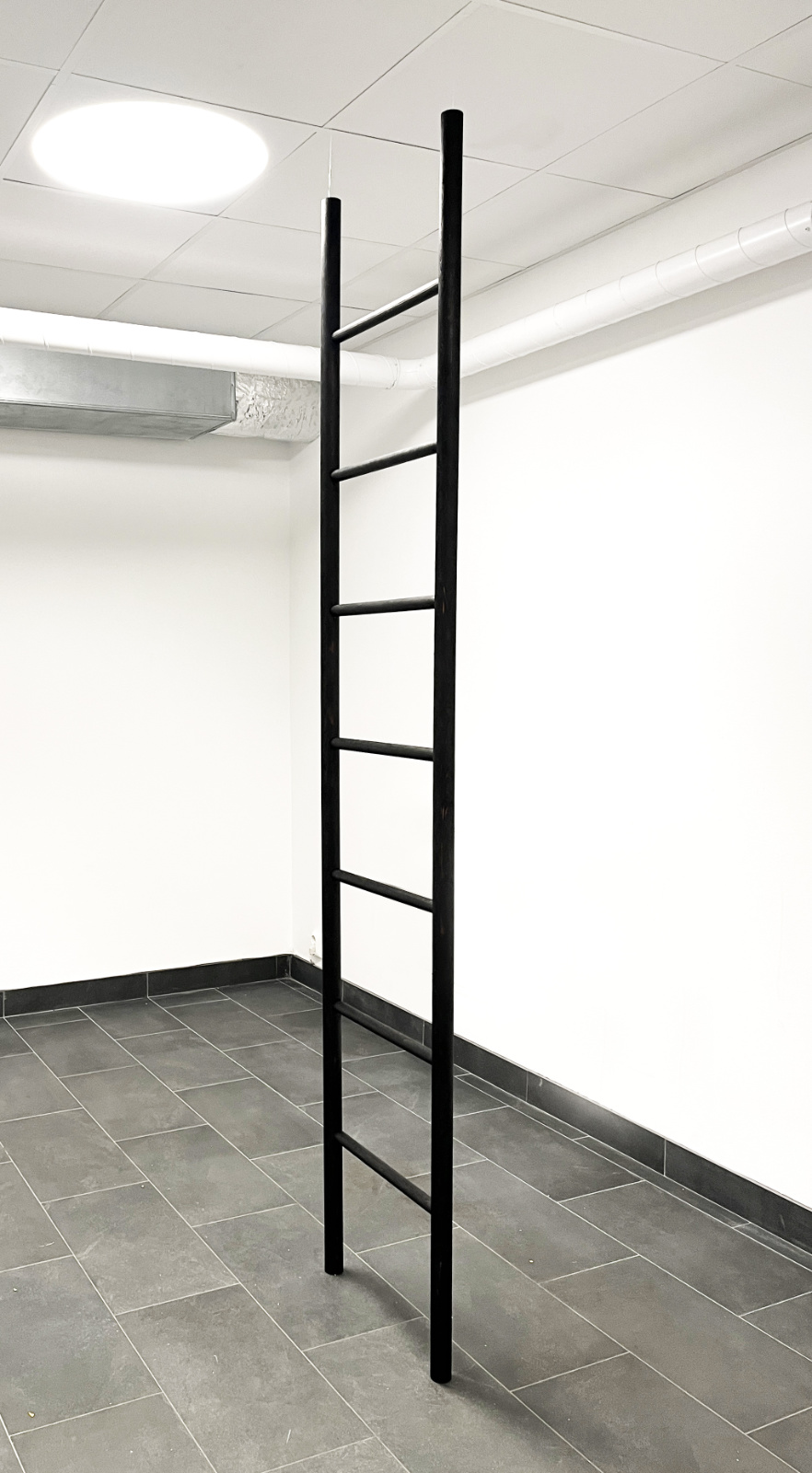
Charred pine
240 x 50 x 4 cm
26 000 SEK
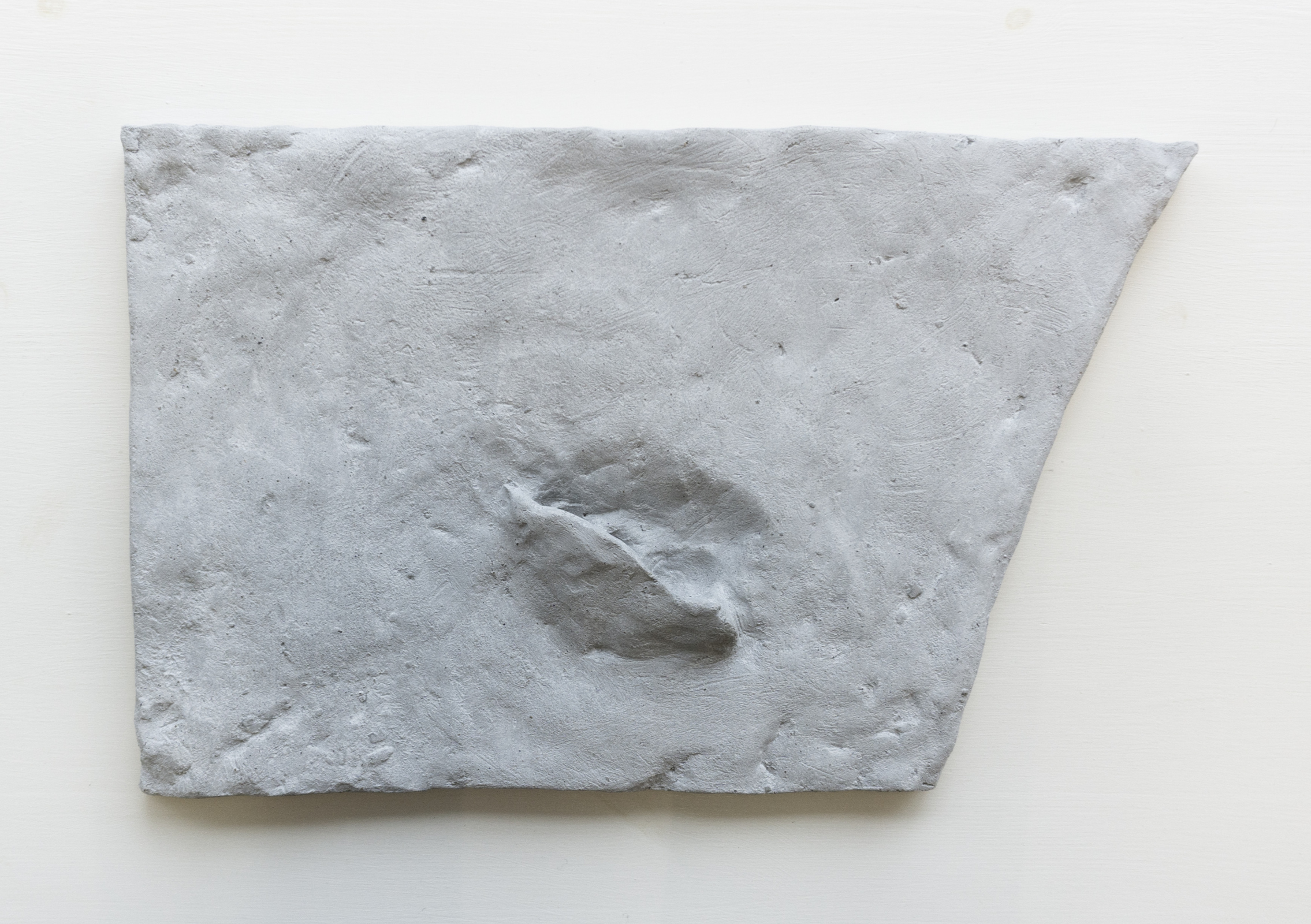
Torn av klossar EI, 2025
Concrete
28 x 45 x 5 cm
9 000 SEk
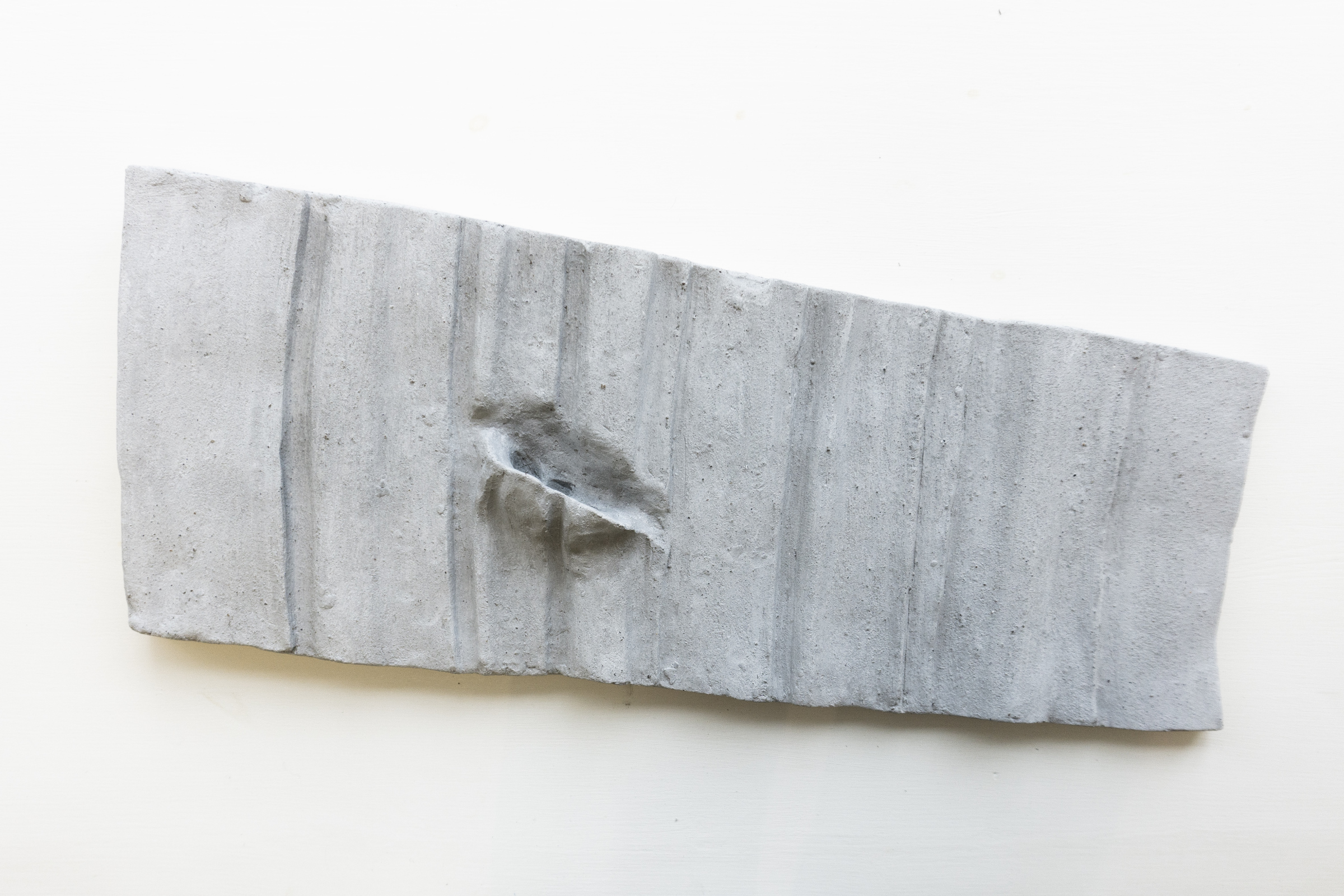
Torn av klossar EII, 2025
Concrete
26 x 64 x 6 cm
14 000 SEK
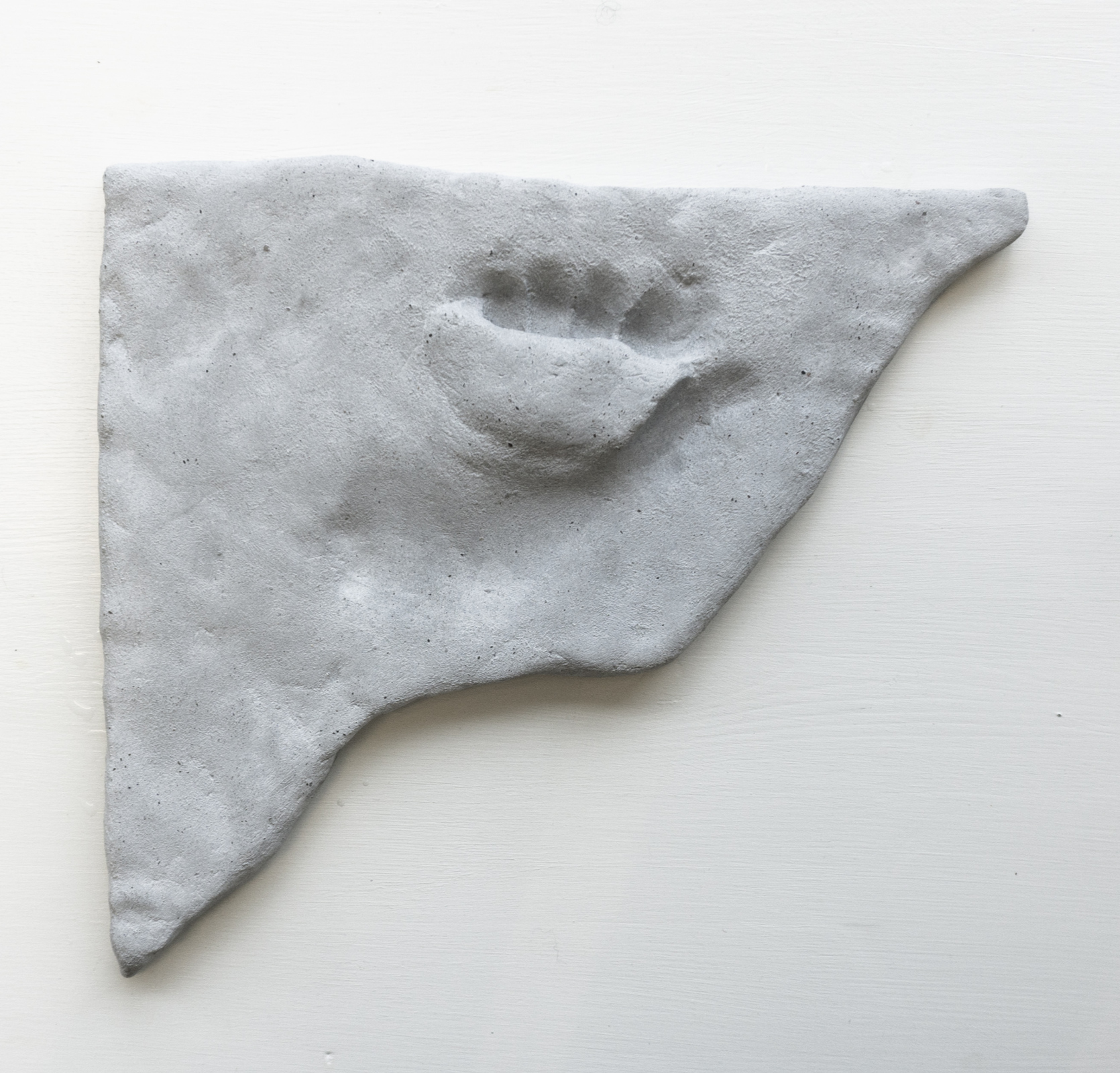
Torn av klossar EIII, 2025
Concrete
30 x 33 x 4 cm
9 000 SEK
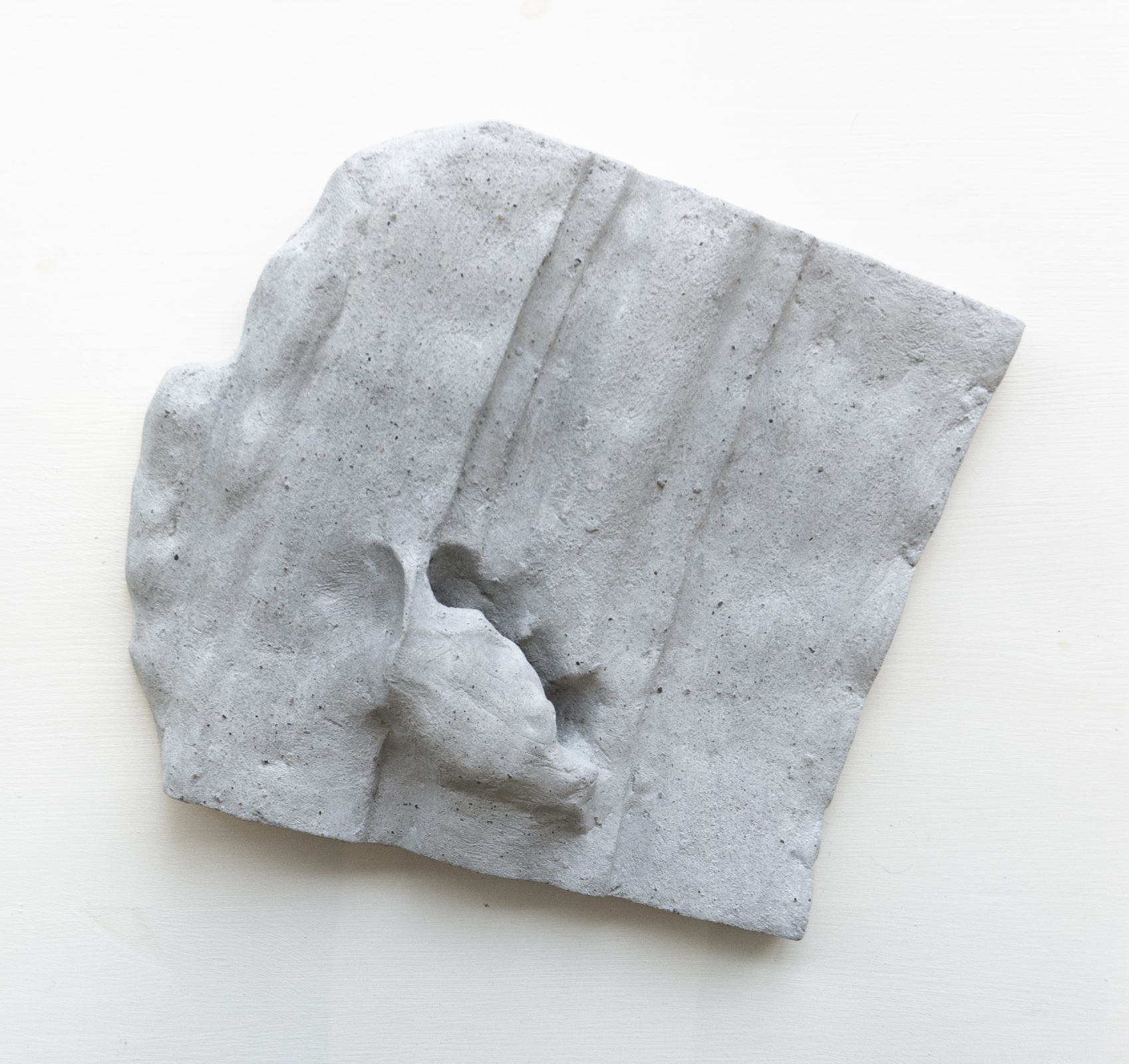
Torn av klossar EIV, 2025
Concrete
26 x 28 x 5 cm
9 000 SEK
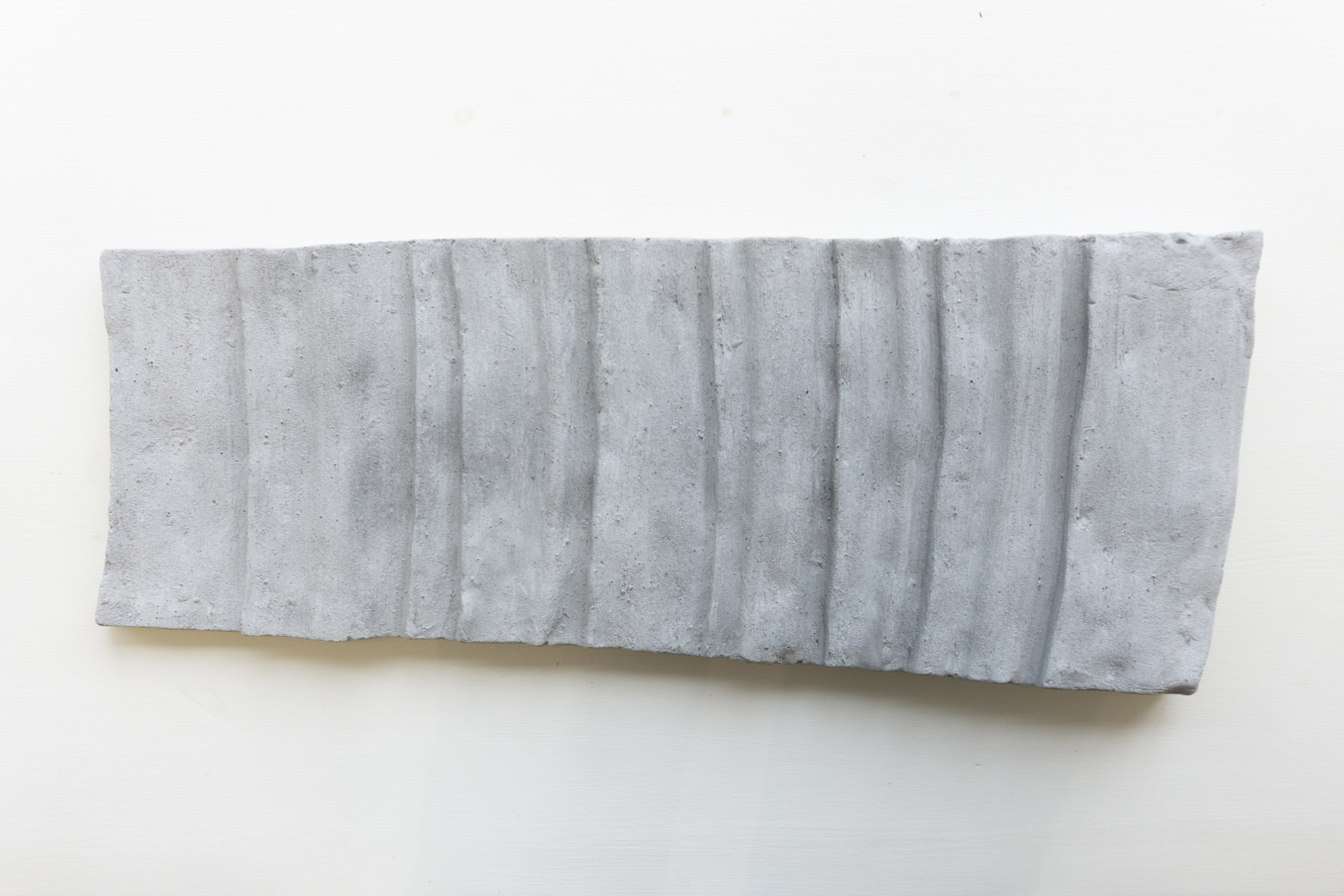
Torn av klossar EV, 2025
Concrete
26 x 64 x 4 cm
14 000 SEK
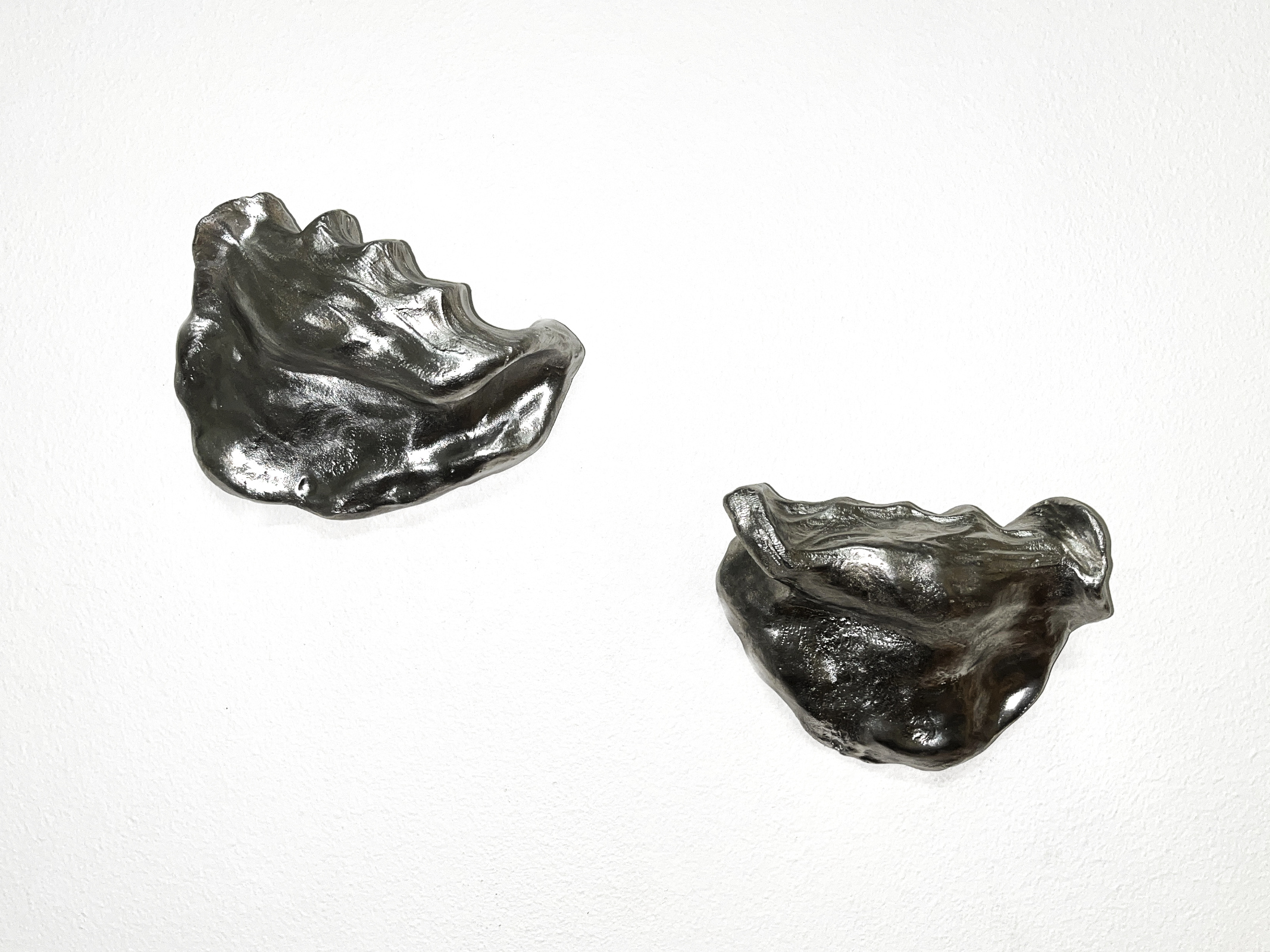
Tin
2 works à 10 x 12 x 4 cm
18 000 SEK
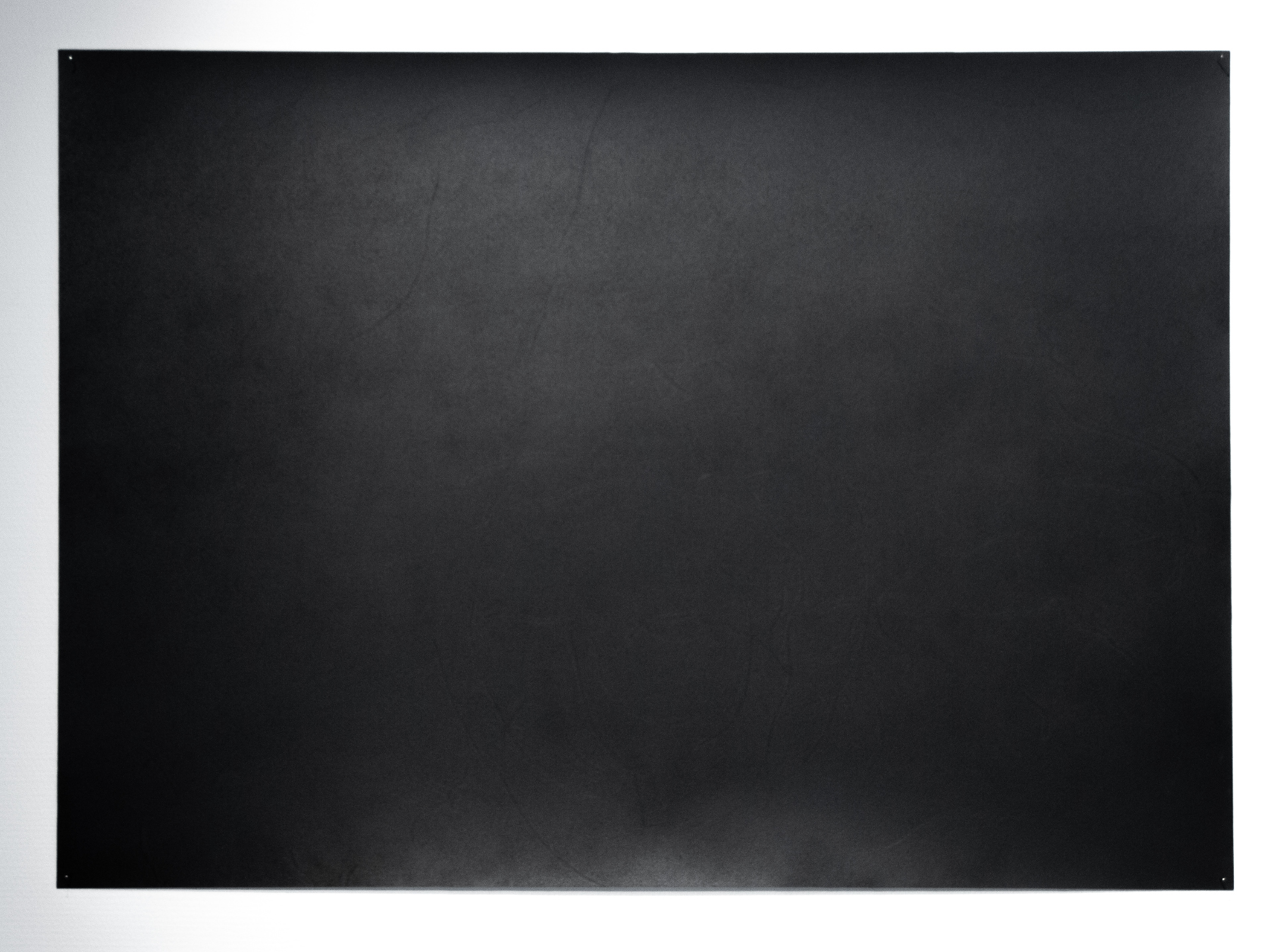
Sprickorna i C.D. Friedrichs Kulle och åker nära Dresden, skala 5:1
Nr. 1, 2025
Charcoal on paper, framed
50 x 70 cm
13 000 SEK
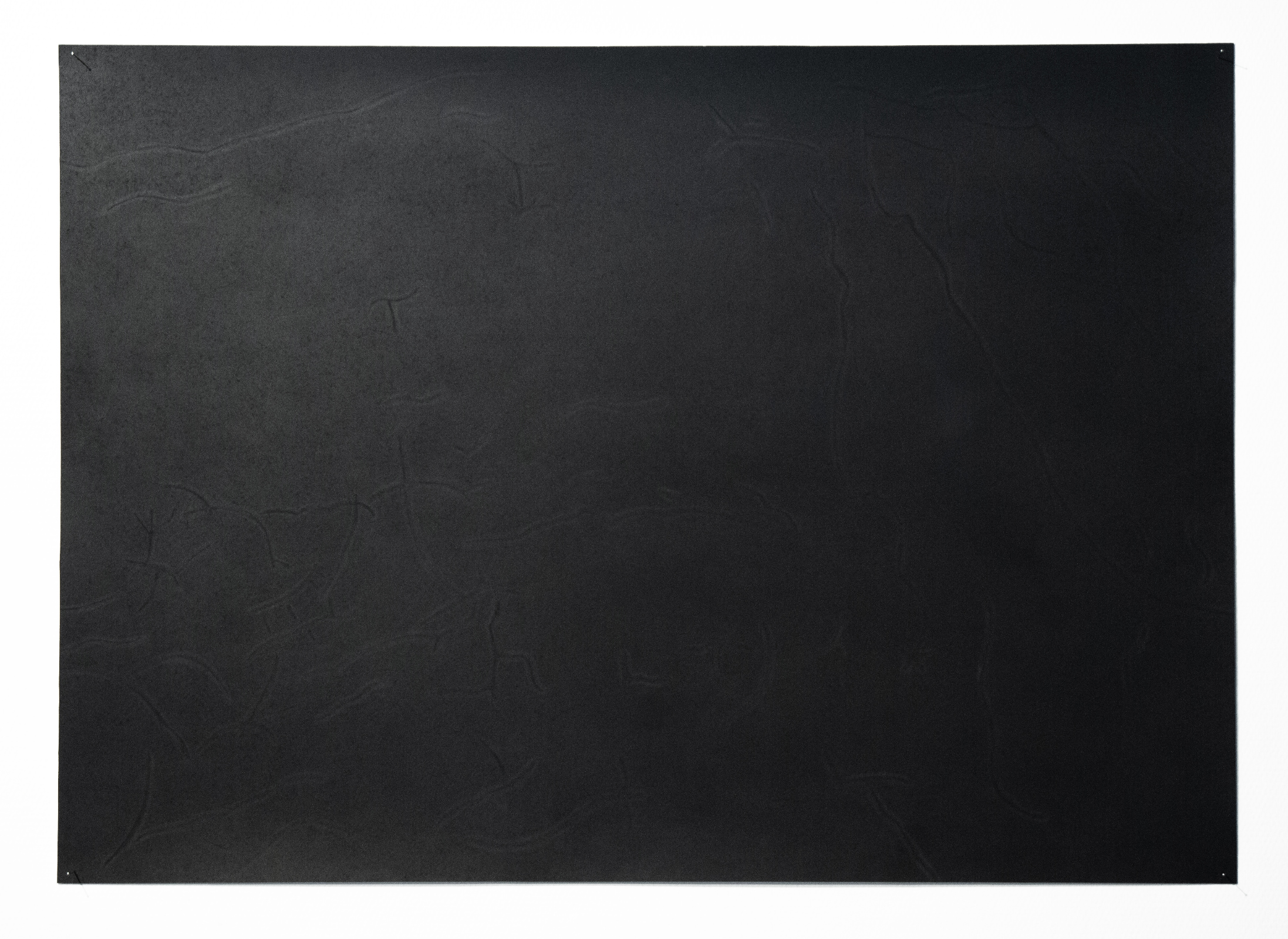
Nr. 2, 2025
Charcoal on paper, framed
50 x 70 cm
13 000 SEK
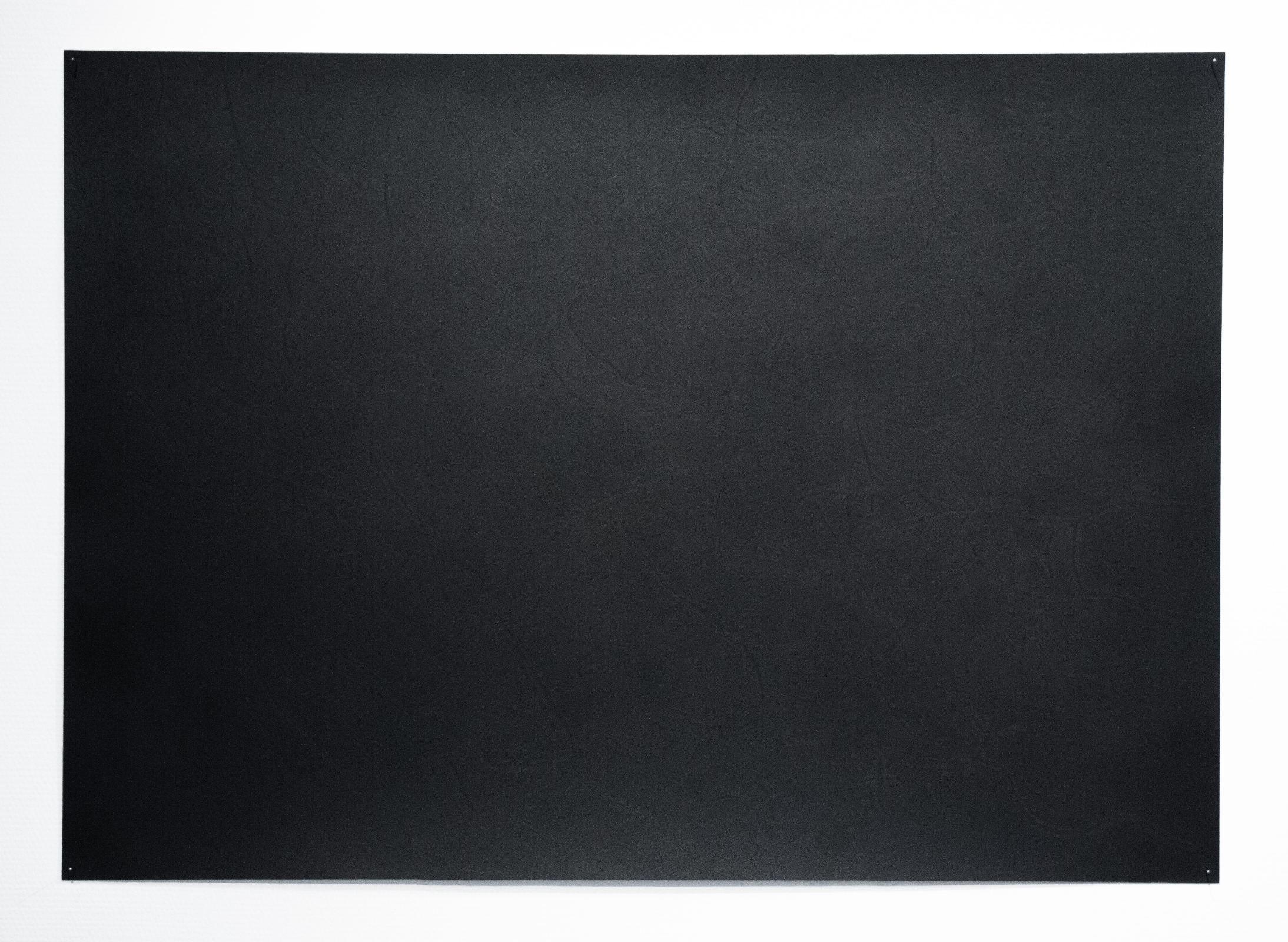
Nr. 3, 2025
Charcoal on paper, framed
50 x 70 cm
13 000 SEK
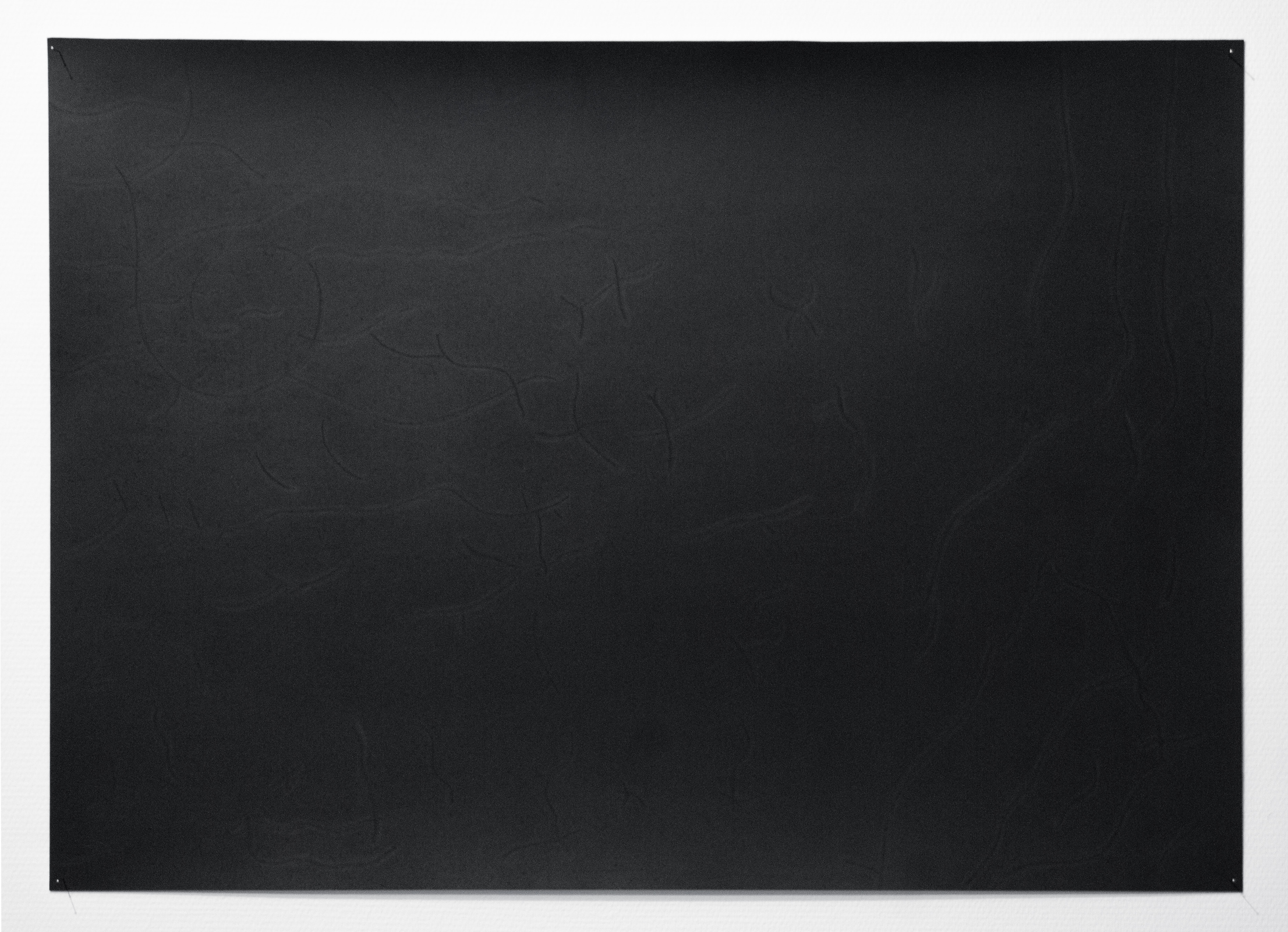
Nr. 4, 2025
Charcoal on paper, framed
50 x 70 cm
13 000 SEK
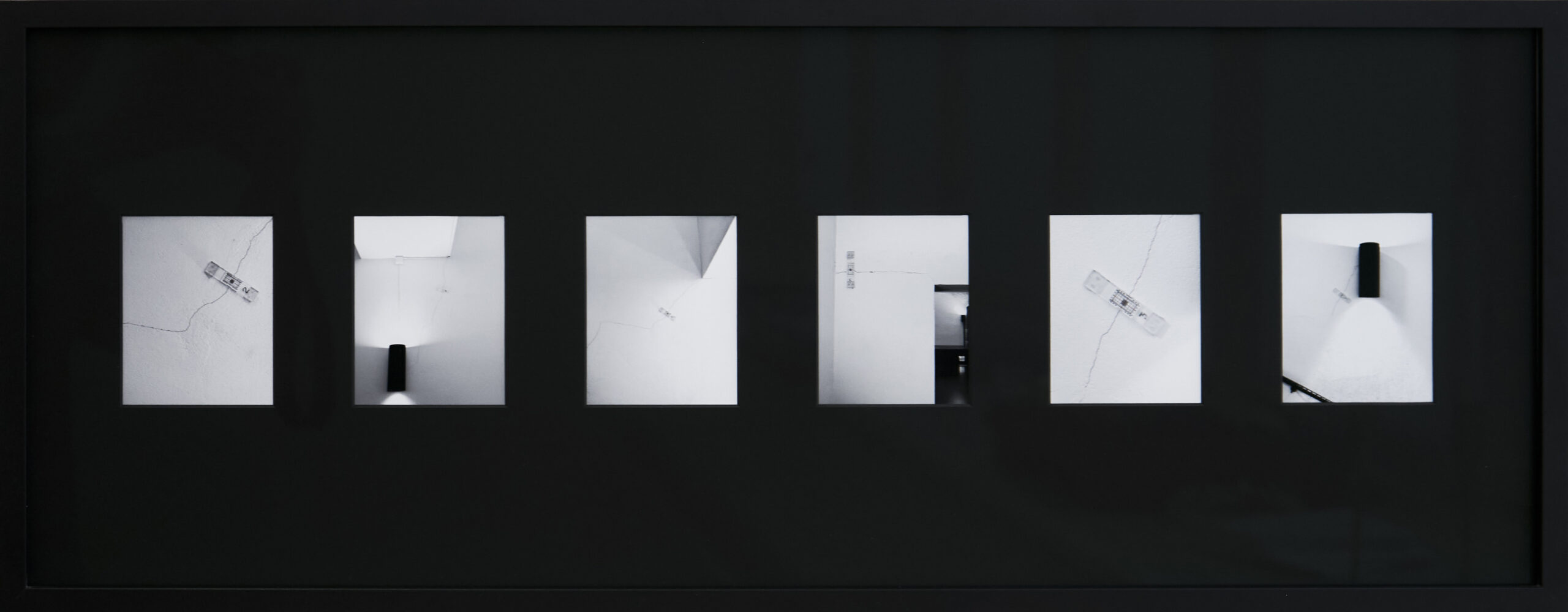
Vi var åtminstone nära, 2024
6 photographs. National Museum in Stockholm, October 23, 2024, framed
30 x 80 cm
10 000 SEK